Just when you thought it was safe to go back in the water… it is!
Recent reports of deadly box jellyfish in the water at Narrabeen have had beachgoers on high alert, but local marine experts can now confirm it was a case of mistaken identity.
The mysterious visitors turned out to be Jimble Jellyfish, a less dangerous cousin of the notorious Box Jellyfish.
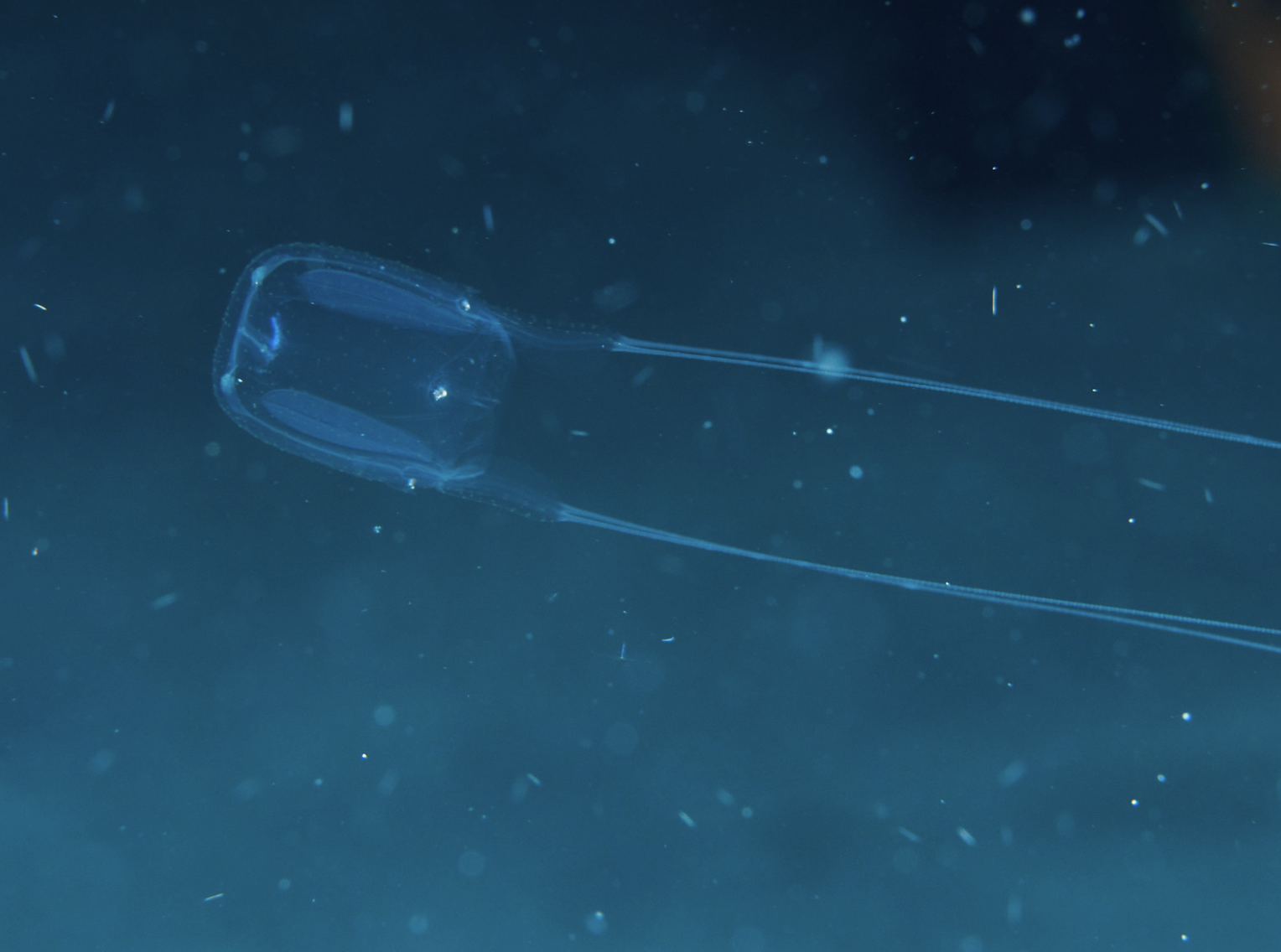
The Jimble belongs to the Cubozoan order of jellyfish. It has a box-shaped bell with tentacles at each corner, which is why it’s often mistaken for its deadlier cousin.

Jimble jellyfish (Carybdea rastoni). Image: Surf Life Saving SA.
Northern Beaches Council has confirmed with Northern Beaches Living that there have been no confirmed Box Jellyfish sightings in the area, with recent observations at Narrabeen Beach identified as Jimbles. Phew.
“Council takes the community and visitors’ beach safety seriously,” a statement from the council reads. “While the Jimble’s tentacles can deliver a painful sting, their effects are far less severe than those of a box jellyfish and are not fatal.”
Jimbles are between 5-15cm long and usually have four tentacles. The Jimble is the only cubozoan that can be found in the colder southern Australian waters. According to the Museum of Sydney, occasionally Jimbles can be present in high densities in Sydney Harbour.
They also seem to love Narrabeen. In 2023, an influx of the creatures washed into Narrabeen’s ocean pool stinging swimmers. This prompted warnings from the council who advised swimmers to wear rash vests to help protect themselves from being stung.
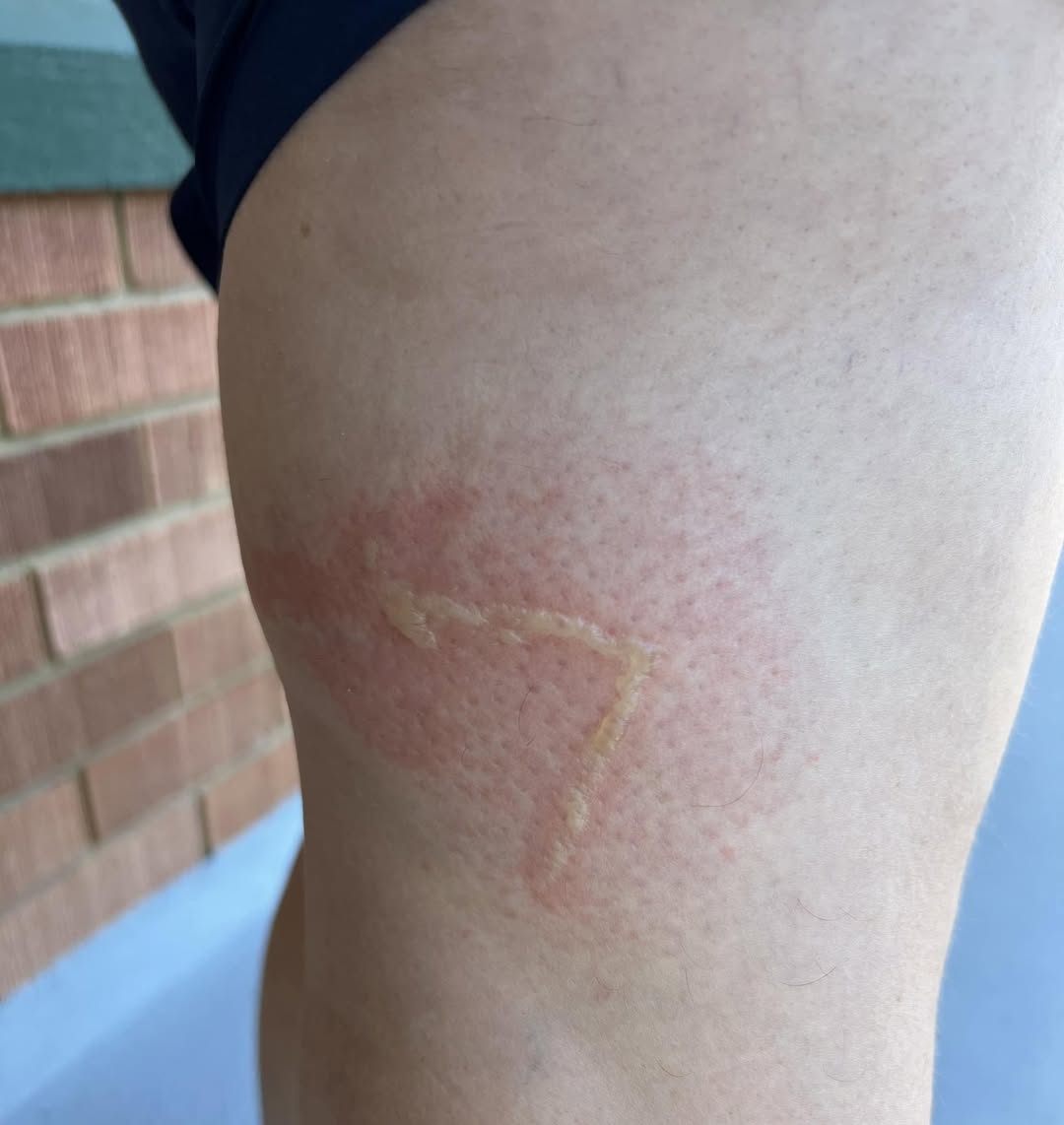
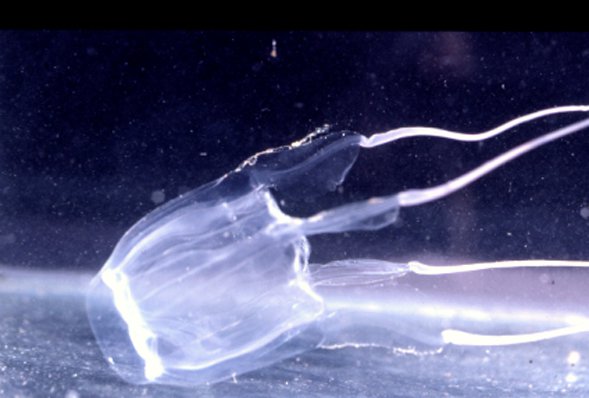
L-R: A Jimble sting (image shared in Northern Beaches Living Facebook group in 2024); Australian Museum.
The council has taken the opportunity to remind residents about general marine safety, particularly regarding other local sea creatures like the blue-ringed octopus. While occasionally found in shallow rock pools, these distinctive creatures are entirely different from jellyfish and bluebottles.
For those keen to enjoy our beautiful beaches safely, the council’s advice is common sense: look but don’t touch when encountering any marine life. Instead, alert nearby lifeguards who can warn other beachgoers through appropriate signage and announcements. If stung by a Jimble, wash the area with hot water and apply a cold pack to relieve the pain. Seek medical attention if necessary.
When heading to our awesome beaches, the golden rule hasn’t changed – swim at patrolled beaches where lifeguards are ready to assist if needed. As for our Jimble visitors, they’re a timely reminder that it’s their sea, and we’re just swimming in it.
Main image: Box jellyfish by Richard Zerpe via Flickr
Read next: