The Aurora, or Southern Lights, recently appeared over the Beaches in a very rare occurrence that was captured on camera…
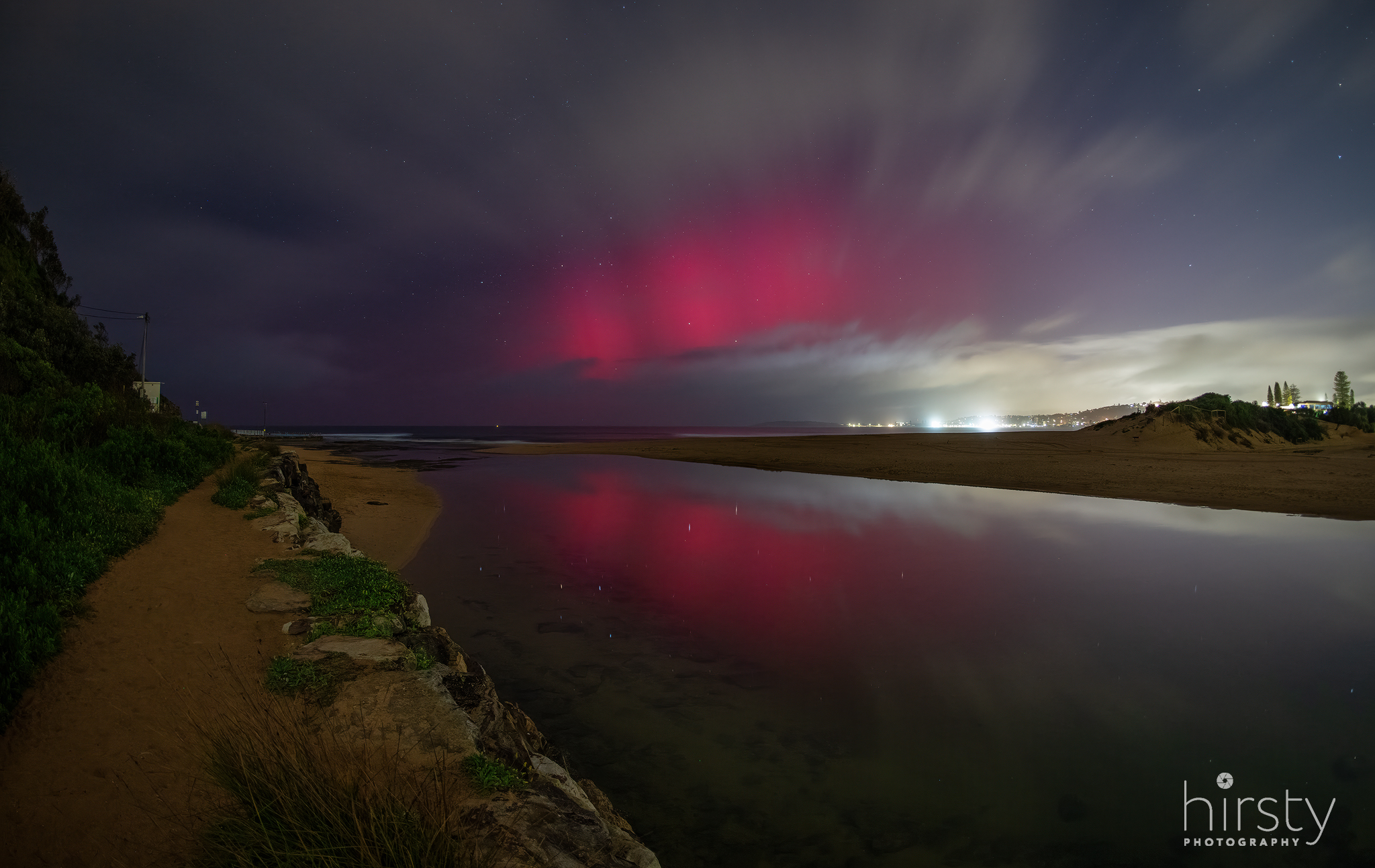
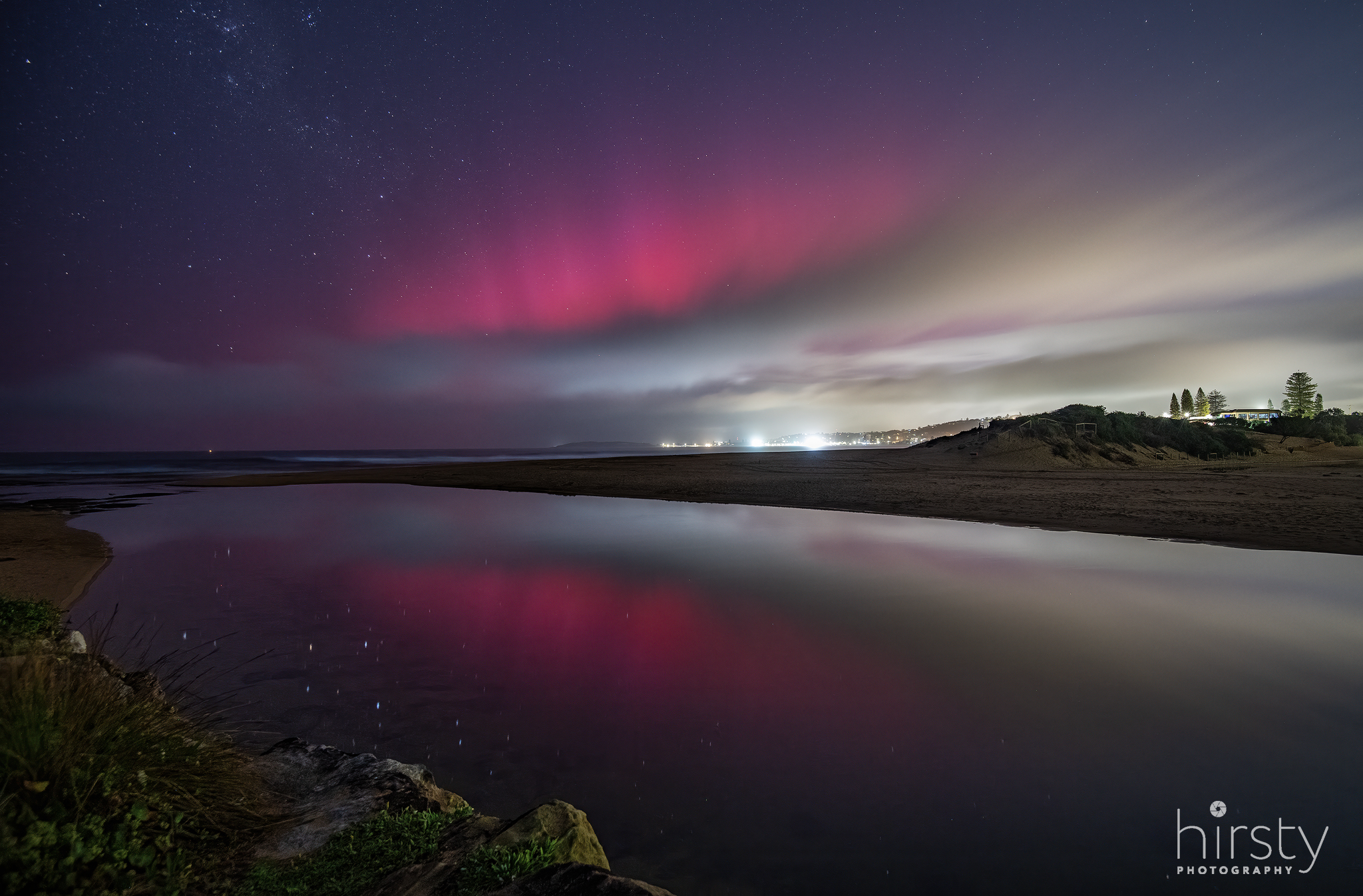
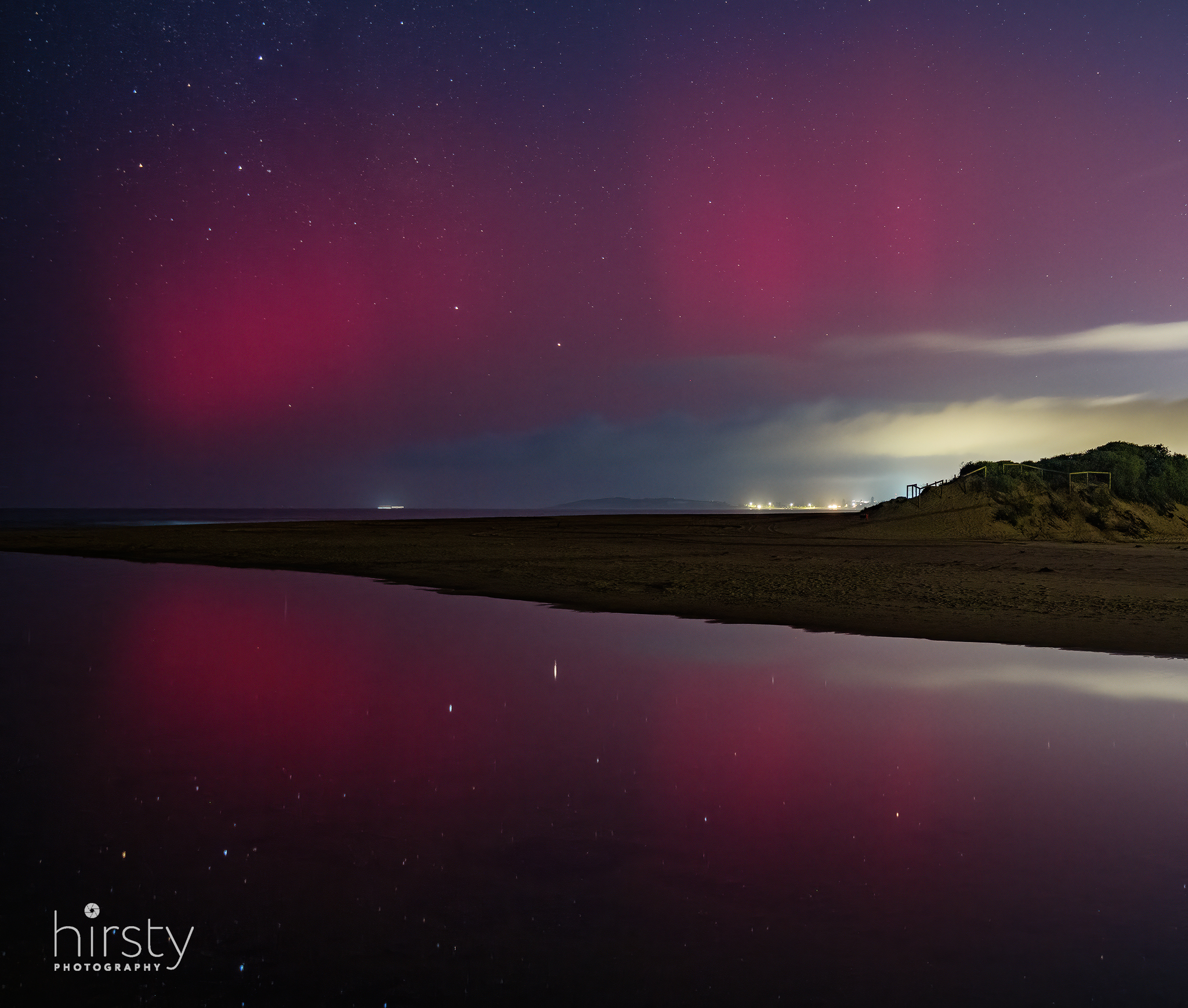
The Northern Beaches Living Facebook Group lit up on Oct 11 with incredible images of the aurora australis (or Southern Lights) right over Narrabeen Lagoon! They were captured in the early hours of the morning by popular local photographer Richard Hirst, of Hirsty Photos.
The rare phenomenon had been glimpsed from our part of the world back in May, which was quite exciting, but it seemed the rest of the world experienced a stunning sky show with truly dazzling images emerging from around the globe. We all had high hopes of the beautiful lights returning locally better and brighter but nothing more eventuated.
Now, months later, local history has been made with the Southern Lights appearing over the Beaches.
While most of us slept straight through the phenomenon, fortunately Richard was out of bed, camera in hand.

“I actually only found out very late last night as I was going to bed and noticed a fellow photographer talking about how there was a likelihood there would be an amazingly powerful Aurora at around 3am that could potentially be so strong that it would reach Sydney! So, it was just luck really!” says Richard.
“I got to Narrabeen around 3am and just sat and waited. It was incredible, an experience I’ll never forget. There wasn’t a breath of wind or a soul around… just me and mother nature. After waiting an hour. I was starting to think it wasn’t going to happen and then the sky slowly started turning an incredible pink and then the coloured lines appeared over the sand dune. Since there was no wind and Narrabeen lagoon wasn’t flowing, the water surface was like a mirror.”
Some Facts From The Aurora Experts
It seems so very wondrous and rare that auroras are showing in our local skies – we’ve really only heard about the famous Northern Lights till now, which show up on the other side of the world. According to Center for Science Education, there are two types of auroras. “In the Northern Hemisphere, it is called an aurora borealis or the northern lights. In the Southern Hemisphere, it is called an aurora australis or the southern lights.”
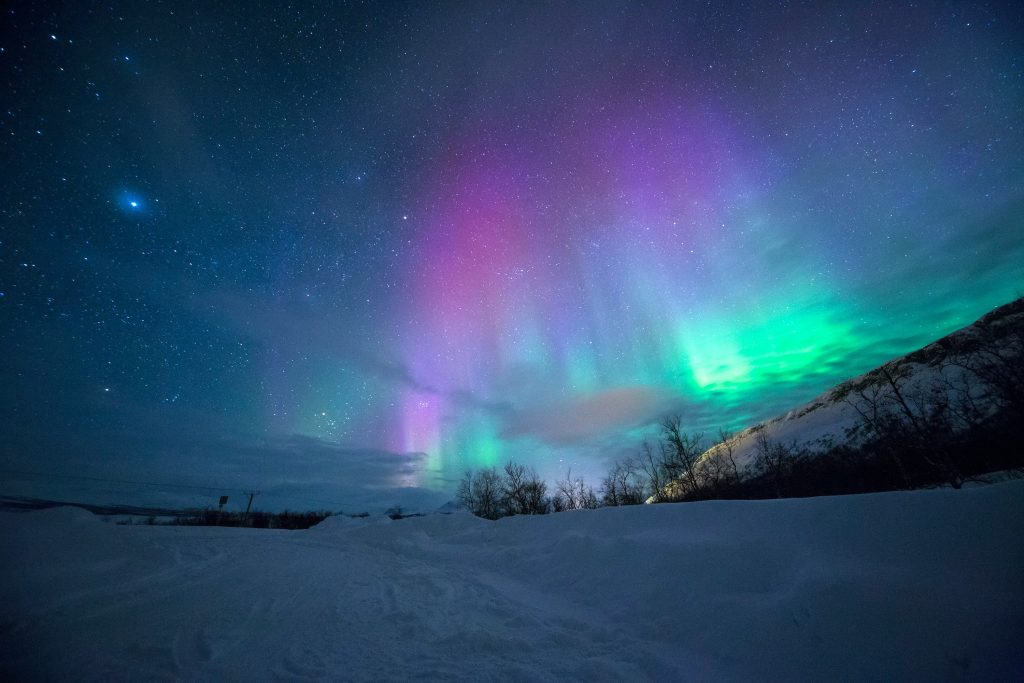
For those with a further interest in the science behind what causes an aurora, here’s the explanation: “During a solar storm, such as a solar flare or coronal mass ejection, a large amount of plasma hurls through space at high speeds as part of the solar wind. When this extra solar energy collides with Earth’s magnetosphere, some of the electrically charged particles move down strong magnetic field lines at the North and South Poles and become trapped in Earth’s atmosphere. These particles bounce from the North Pole to the South Pole and back again, transferring energy to molecules in Earth’s atmosphere as they go. The colorful, glowing lights of the aurora result when these energized molecules release their extra energy.”
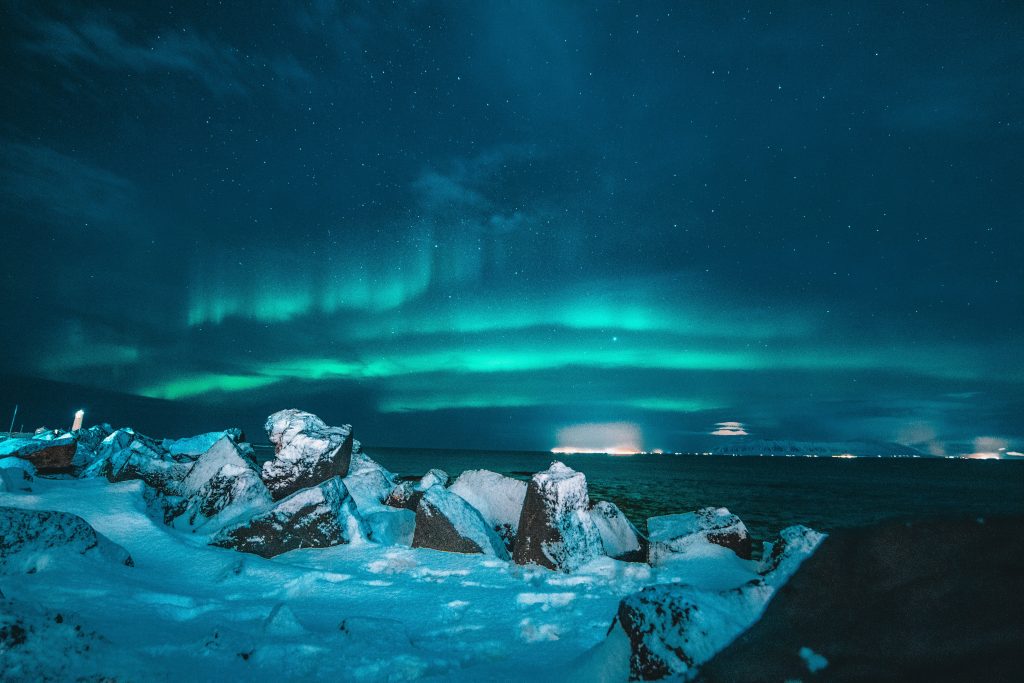
Auroras are usually rare, and “can typically only be seen in the very far north and south of our planet. But,” according to The Age, “a recent period of extreme solar activity has meant so many charged particles are striking our atmosphere that the colourful shows have been seen as far north as Sydney.” Lucky us!