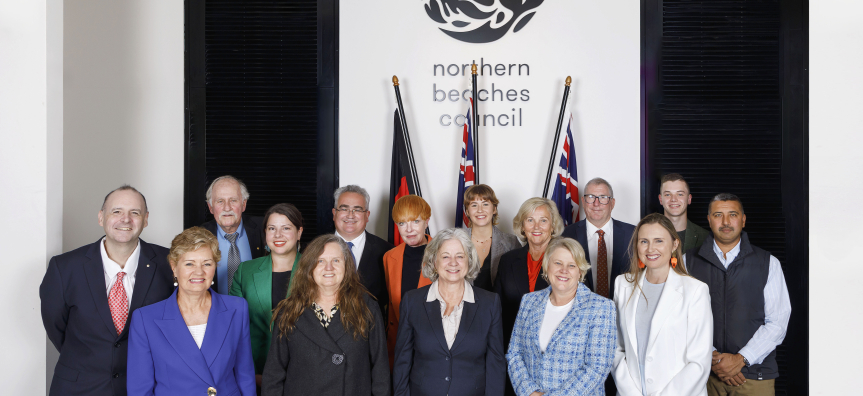
As you’re probably aware, Northern Beaches Council has voted to go ahead with a significant increase to rates of 39.6 per cent over three years following a heated four-hour long council meeting in late January. This decision comes after months of community consultation and strong opposition to the increase.
The approved rate increase
- The approved special rate variation (SRV) will increase 39.6 per cent over three years.
- Under this plan, residents will see an annual average increase of $673 for households and $1611 for business.
What happens now?
The rate increase is not yet final. The proposal must now be approved by the Independent Pricing and Regulatory Tribunal (IPART), which oversees councils seeking to increase their rates beyond the maximum set by the pricing regulator.
IPART will conduct its own consultation, with public submissions likely to be sought, before they make their determination. If the SRV application is successful, Council will then need to resolve to include the SRV in its rates from 1 July 2025.
You can watch the council meeting in full:
Background to the decision
Northern Beaches Council is not alone in voting to increase rates. Across NSW, over the last two years, 25+ Councils, including North Sydney, have applied or are applying to the Independent Pricing and Regulatory Tribunal (IPART) for special variation rate rises.
The council has cited several factors contributing to its financial challenges.
“The impacts of rising inflation on construction and materials and day-to-day Council operations, loss of income from the pandemic and the massive cost shifting from other tiers of government are threatening our long-term financial sustainability,” says a statement on the Northern Beaches council website.
“The increases to rates applied under the NSW Government’s rate peg system (which is similar to a CPI for councils) have not kept up with the increasing external costs Council faces and this gap is increasing every year. Without a Special Variation Council would need to cut the services the community reasonably expect us to deliver.”
Council says additional funds raised from the increase will allow them to invest in services like natural risk reduction programs such as stormwater works, bushfire protection and beach “nourishment”. Along with environmental projects including bushland and invasive species management, and delivering larger renewal projects like the renewal of the Warringah Aquatic Centre.
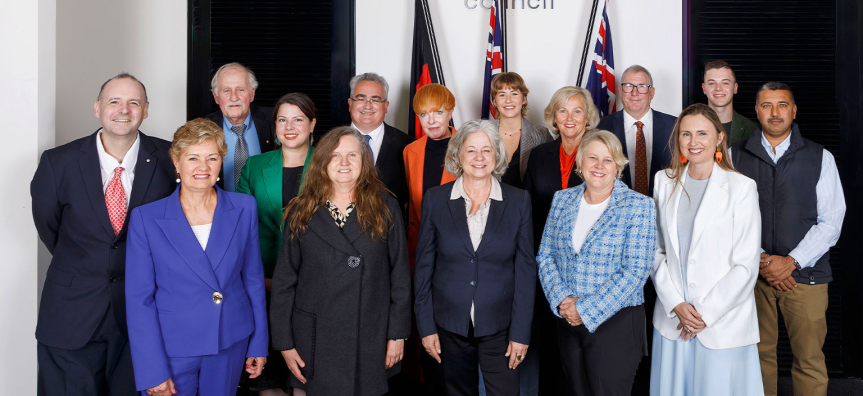
Northern Beaches Council representatives.
Community response
The decision was made despite significant community opposition.
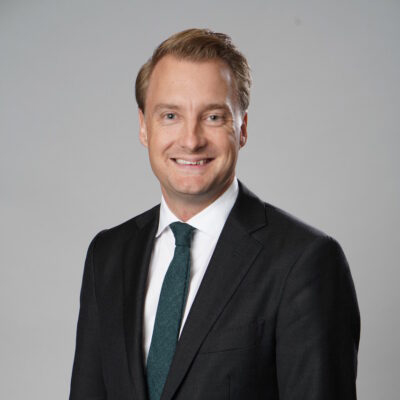
Prominent local politicians, Manly MP James Griffith and Member for Mackellar Dr Sophie Scamps both released statements in the lead up to the Council meeting opposing the proposed rate rise.
“There is community outrage with this proposal that will negatively impact local households and small businesses. It will place even greater cost of living pressures on our community,” a statement issued by Manly MP James Griffin reads.
“Despite spending nearly a quarter of a million dollars of ratepayer funds on a consultation — that a majority of over 6,000 submissions were against a 40 percent rate rise — it has been completely ignored,” said Mr Griffin.
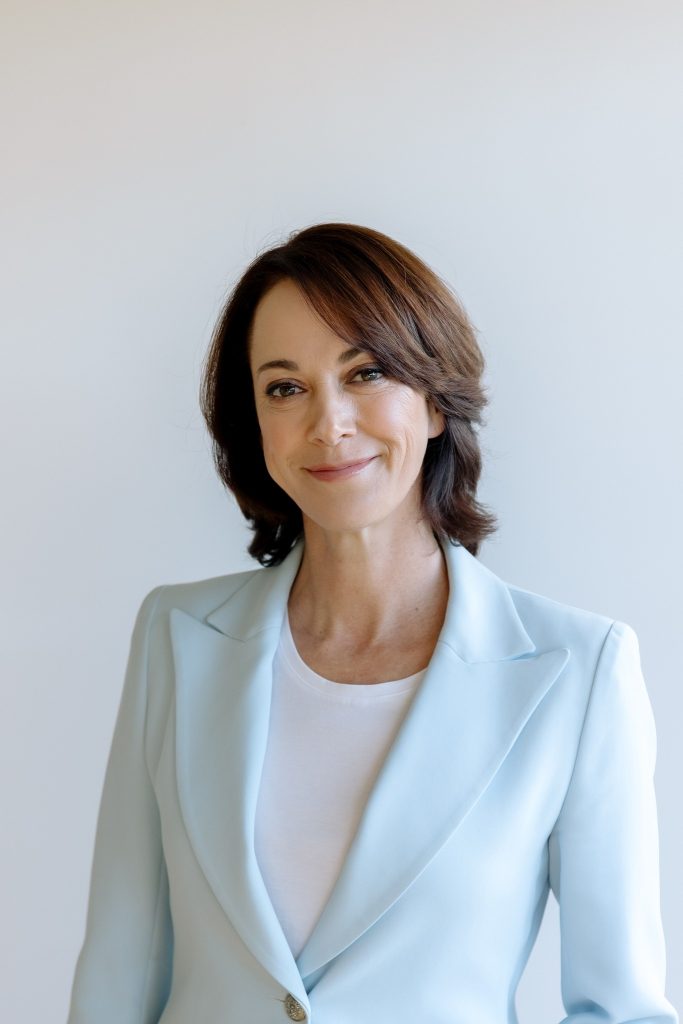
MP for Mackellar Dr Sophie Scamps shared a similar sentiment, expressing concern over the cost of living for local residents.
“I oppose the Northern Beaches Council’s proposed 40 percent rate increase,” wrote Dr Sophie Scamps. “I’ve heard from many Mackellar residents who are deeply upset about it. Families are already struggling with high energy bills, housing costs and every day expenses. Another big cost increase is simply unacceptable.”
During the consultation period, the majority of respondents supported an 11 percent increase. The council meeting was attended by hundreds of residents, with many expressing strong opposition to the rate hike.
Northern Beaches resident, Sue Thurn said: “It is clear that rate payers are being ripped off! This appears to be a group of self serving people who are totally incompetent! We need them booted out and an administrator put in their place.”
While community opposition to the rate increase has been very vocal, some residents have argued the rise isn’t unwarranted, but demonstrates a lack of accountability over finances.
Local resident Cristian Sierralta said: “The operating profit has declined for the 2nd year straight which would ring an alarm bell. Net Cash flow dropped also, despite a drop in CAPEX. Another alarm bell.”
“I’m not saying such a large rate hike is justified, however, it’s not totally unwarranted,” said Cristian. “Especially if the forward looking estimates point to an increase in operating costs and/or need for larger essential CAPEX spend.”
A Petition against the Rate Rise has also been created: https://www.parliament.nsw.gov.au/…/ePetition-details…
Timeline
– IPART’s determination: May 2025
– Proposed implementation: July 1, 2025 (subject to IPART approval)
How to stay informed
You can subscribe to IPART’s newsletter to receive email updates about the Special Variations process for 2025-26 and how to complete their surveys. You can subscribe here.