
Remember when phones were just for making calls? And text messages were limited to 160 characters?
It wasn’t that long ago that most of us didn’t have phones until we were well into our teens or twenties. Times have changed. Now, kids are asking for their own devices at younger and younger ages. It can be tricky to know when the right time is to say yes.
Assessing readiness
The transition to secondary school is a common time for getting a phone, but as many parents know the pressure to get one earlier can be relentless, with many kids now having smartphones by late primary school.
While many parents wonder what age is the “right age” for a smartphone, it’s more important to assess a child’s individual readiness based on their maturity and critical thinking skills.

Here are some key things to consider:
Social Maturity
- Reading social cues: Can your child understand non-verbal cues like tone of voice, body language, and facial expressions? This translates to online interactions where these cues are less obvious.
- Handling online challenges: How would your child react to criticism, rejection, or negativity online? Would they be able to ignore it, accept it constructively, or handle it maturely?
- Self-control: Can they resist distractions and manage their emotions, especially when online?
- Sense of responsibility: Does your child take care of their belongings and keep personal information secure?
Critical Thinking
Critical thinking is crucial for safe and responsible smartphone use. It helps your child navigate potentially risky online situations.
- Understanding consequences: Does your child consider the potential long-term impact of their actions and words online?
- Help-seeking: Would your child feel comfortable asking you or another trusted adult for help if they encounter online issues?
- Boundaries: Can your child set and maintain healthy boundaries for themselves and others online?
- Healthy skepticism: Can your child recognise online threats like hackers, scammers, and fake friends?
Are you ready?
Giving your child a smartphone isn’t a set and forget thing. You also need to be prepared to have ongoing conversations about safety, appropriate behaviour and boundaries.
What now?
Once you’ve determined you and your child’s readiness, here’s how to support them:
- Open communication: Regularly discuss online safety topics like screen time limits, social media usage, and responsible device care.
- Parental controls and safeguarding technology: Use parental controls and built-in safety features offered by platforms and devices. Consider installing additional security software for further protection.
- Exploring safety features: Many smartphones come with emergency SOS features. Explore these with your child and teach them how to use them in case of need.
Alternatives for less-than-ready kids
If your child isn’t quite ready for a full-fledged smartphone, consider these options:
- Restricted wi-fi tablets: such as an iPad, which offer internet access for educational purposes or entertainment while limiting exposure to the internet.
- Smartwatches without online access: these provide basic communication and safety features so you can contact them, without the full smartphone experience.
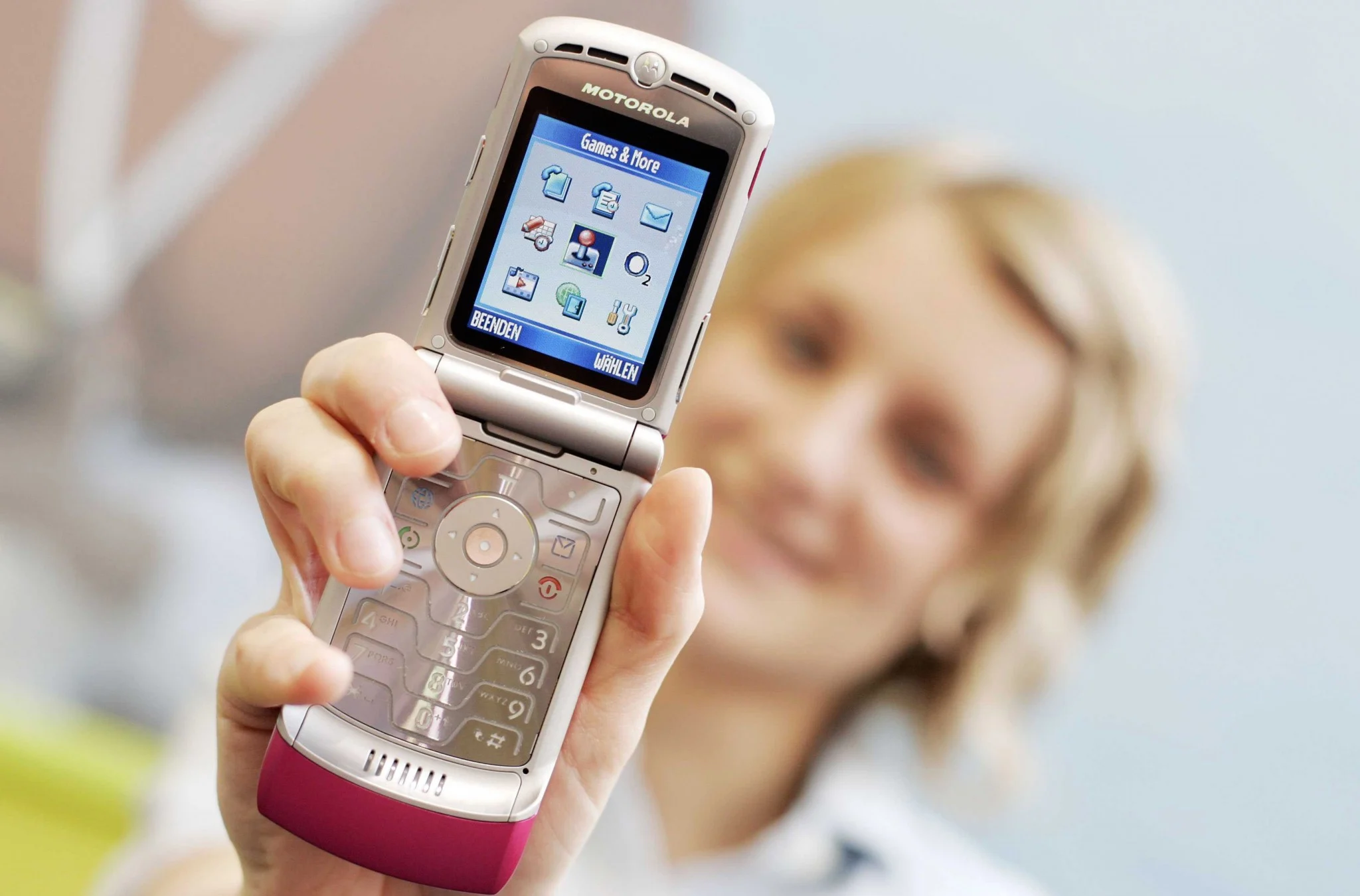
- Mobile phones without internet access: How Millennial and Gen X grew up! Remember flip phones? These are a great option as they offer basic calling and texting functionality.
These alternatives offer more time for your child to develop crucial social and critical thinking skills before transitioning to a smartphone.
Keep learning together
Optus Digital Thumbprint has been endorsed by the eSafety Commissioner as a Trusted eSafety Provider. Their website offers a wealth of resources to help you and your child navigate the world of smartphones safely and responsibly. These resources include:
- Digital Thumbprint First Phone Readiness Quiz: This quiz assesses your child’s digital maturity and helps determine their readiness for a smartphone.
- Guides and resources: Explore easy-to-follow guides covering topics like online identity protection, phone readiness, password management, cyberbullying awareness, and healthy digital habits.
Optus Local General Manager Nicholas Gibson said:
“The way we use our mobile phones is constantly evolving as our lives become busier and busier. One of the key decisions for any parent to make about mobile phones is when their child is ready to have one of their own”, Mr Gibson said.
“This is something we are very conscious of at Optus. That’s why we have designed the Optus Digital Thumbprint program to guide parents through this decision-making process. It’s an informative guide with a wealth of resources to assist parents .”
We hope this article has helped set up your child for a safe and positive experience. Don’t forget, open communication and ongoing support are key to ensuring responsible phone use and fostering digital wellbeing for your child.
Thanks for reading this sponsored article. If you’d like to enquire about our advertising options please email us at info@thelivingcollective.